
Whole Grains and the Weight of Habit
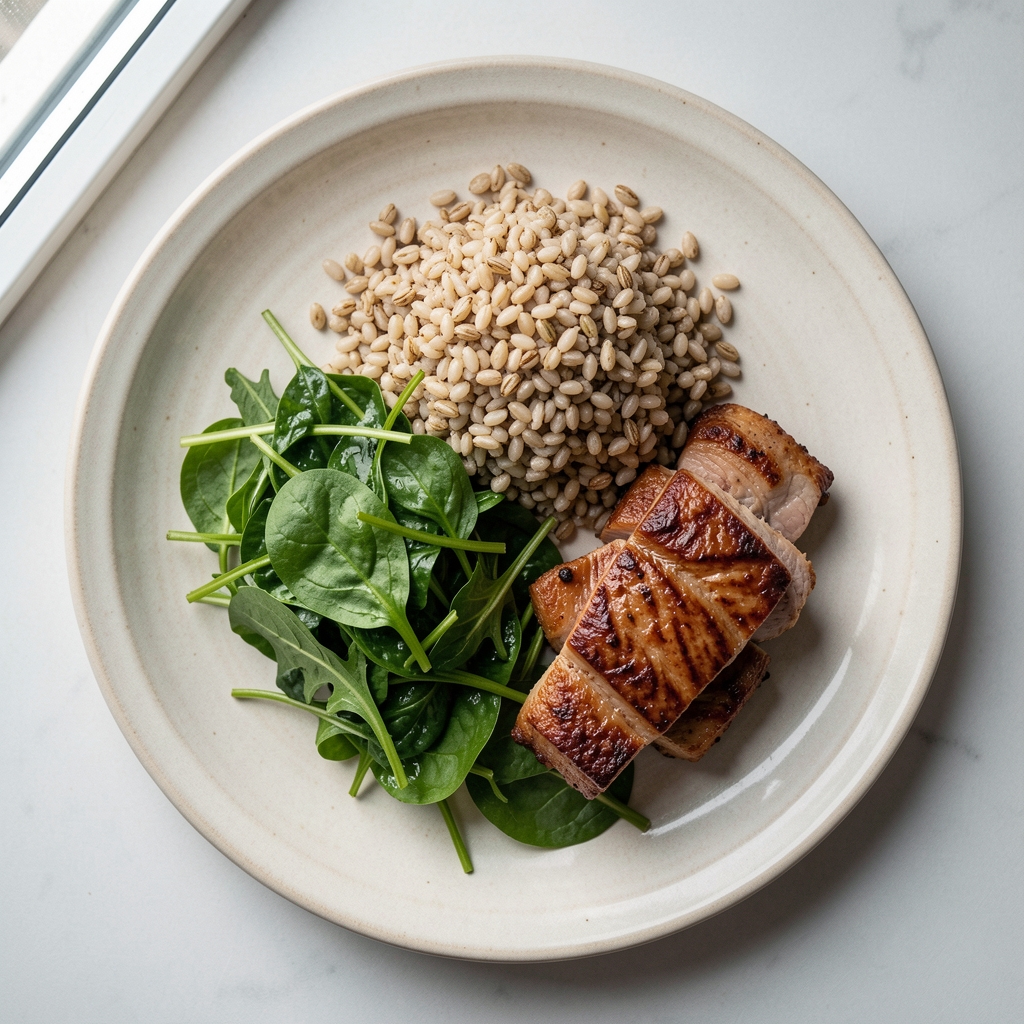
A closer look at how whole grain choices accumulate over weeks rather than meals, and what that means for anyone thinking about portion perspective and long-term eating rhythm.
An independent almanac documenting the relationship between daily food choices, body weight, and movement. Archived observations, field notes, and evidence-informed perspectives from editorial contributors based in London.
A closer look at how whole grain choices accumulate over weeks rather than meals, and what that means for anyone thinking about portion perspective and long-term eating rhythm.
How distributing protein intake across daily meals affects hunger signals and portion perspective — field notes drawn from published nutritional research and eating pattern analysis.
Energy balance explained in practical terms — why the arithmetic of calorie counting often misrepresents how food quality over quantity shapes body composition in real daily life.
"The relationship between what is eaten and how a body changes over time is less a simple equation than a pattern — one that emerges slowly, across weeks and seasons, and resists the appeal of quick readings."
Atevo Almanac was established in London in 2026 as an independent editorial publication focused on the documented relationship between food choices and body weight. The publication draws on published nutritional research, contributor field notes, and editorial analysis to present a considered record of how everyday eating patterns interact with daily activity levels.
Every article published undergoes review by a second editor before release. Sources are cited where appropriate, and contributors disclose any relationships that might influence subject selection.
Read More About UsThe food and weight connection refers to how the type, timing, and quantity of food consumed interacts with the body's energy storage patterns over time. Rather than a direct cause-and-effect relationship, it is better understood as a long-term rhythm shaped by eating patterns, food quality, and daily movement levels.
Calorie awareness focuses on the energy value of food, while nutrient density considers how much nutritional content that energy delivers. A diet built around nutrient-dense whole food choices tends to influence satiety and body composition differently than one of equivalent calories from processed food sources.
Protein and satiety are closely linked. Protein-containing foods tend to produce a more sustained satiety signal than equivalent portions of carbohydrate or fat. The timing of protein across meals — rather than its concentration at one sitting — is what contributes most meaningfully to balanced portion habits throughout the day.
Meal structure and weight are connected through the regularity and composition of eating occasions. Irregular eating, skipped meals, or highly variable portion sizes can disrupt hunger signals and influence how the body manages energy storage. A consistent, structured daily eating rhythm tends to support more predictable energy balance over time.
Articles published on Atevo Almanac are editorial in nature and reflect the writers' observations on everyday wellness practices. The content is not intended as professional advice, nor as guidance for the management of any specific condition. Readers with specific concerns about their daily routines are encouraged to speak with a qualified wellness professional.